
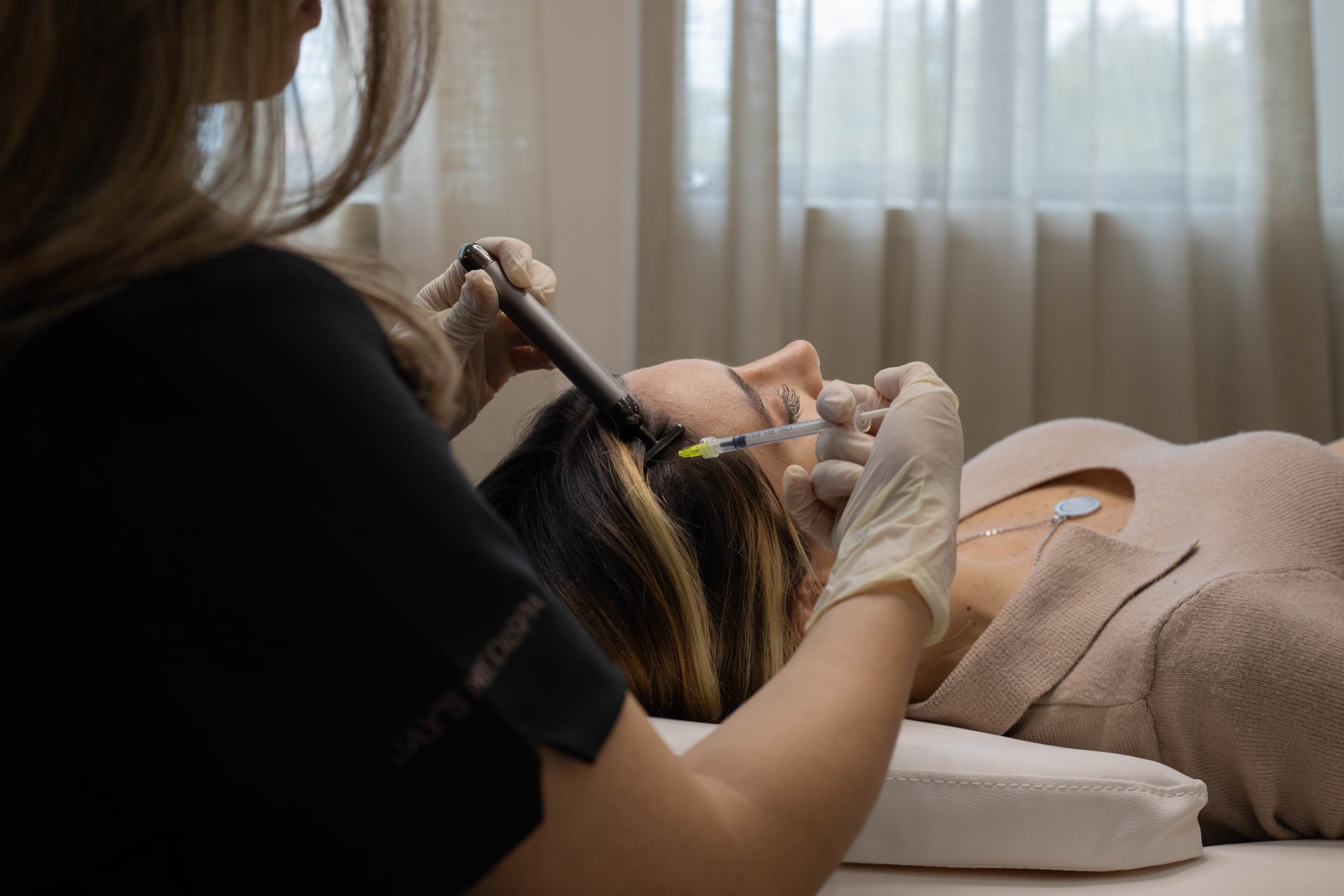
HAIR LOSS FOR WOMEN | BIRKENHEAD, AUCKLAND
Hair loss in women is common, underdiagnosed, and treatable.
Most women deal with hair thinning quietly for a long time before seeking help. It’s often dismissed, by themselves and sometimes by others, as something that just happens. But hair loss in women has specific, identifiable causes. Understanding what’s actually driving yours changes what’s possible. We see this every day at our clinic in Birkenhead.
CALL 09 418 0743
REGISTERED NURSES
3,000+ PRP TREATMENTS
BIRKENHEAD, AUCKLAND
POSTPARTUM HAIR LOSS
MENOPAUSAL THINNING
HORMONAL HAIR LOSS
FEMALE PATTERN HAIR LOSS
PCOS-RELATED SHEDDING
STRESS-TRIGGERED THINNING
SESSION TIME
30 to 40 min
No preparation needed. Most clients return to normal activities the same day
INITAL COURSE
None
Mild scalp redness possible for a few hours. Avoid heavy exercise for 24 hours
MAINTENANCE
3 to 4 sessions
Spaced 4 to 6 weeks apart. Results visible from 3 months
DOWNTIME
Every 3 to 6 months
To sustain results and continue supporting follicle health long term
UNDERSTANDING HAIR LOSS IN WOMEN
Women’s hair loss has different drivers than men’s
Hair loss in women is significantly influenced by hormonal change at every life stage, from the postpartum period and PCOS to perimenopause and menopause. Nutritional deficiency, particularly low ferritin, is one of the most commonly missed causes we see. Before recommending anything, we assess what’s actually behind the loss, because the same pattern of thinning in two different women can have entirely different causes.
Hair loss is often not taken seriously enough in women. We do. A clinical assessment looks at what’s actually happening, not just the surface. That’s the difference between a treatment that works and one that doesn’t.
Postpartum Hair Loss
After delivery, oestrogen levels drop sharply, shifting large numbers of follicles into the shedding phase simultaneously. This telogen effluvium typically peaks at three to four months postpartum and can feel alarming, though most cases resolve naturally within six to twelve months.
Significant shedding starting 2 to 4 months after delivery
Diffuse thinning across the scalp, especially at the temples
Often worsened by nutritional depletion from pregnancy
PRP and Exo-Grow can shorten the recovery period
Menopausal and Perimenopausal Hair Loss
The decline in oestrogen during perimenopause and menopause reduces its protective effect on hair follicles, allowing DHT to become more influential. This can trigger or accelerate female pattern hair loss, a diffuse thinning across the top of the scalp that is distinct from postpartum shedding.
Gradual diffuse thinning at the crown and parting
Hairline generally remains intact, unlike male pattern loss
Often accompanied by changes in hair texture and density
Responds well to treatment when started early
PCOS-Related Hair Loss
Polycystic ovary syndrome elevates androgens including DHT, which can cause hair thinning on the scalp and, in some cases, increased hair growth on the face and body. PCOS-related hair loss is driven by the same mechanism as male pattern loss but presents differently in women.
Thinning at the top of the scalp and around the part
Associated with irregular cycles, acne, or weight changes
Often begins in the twenties or thirties
Addressing the hormonal imbalance improves treatment response
Stress-Related Telogen Effluvium
A period of significant physical or emotional stress, illness, surgery, or nutritional restriction can shift large numbers of follicles into the shedding phase. The loss typically becomes visible two to four months after the triggering event, making the connection easy to miss.
Sudden or noticeable increase in daily shedding
Diffuse thinning across the whole scalp
Onset 2 to 4 months after a stressful event or illness
Often reversible once the underlying cause is resolved
Nutritional Deficiency
Low ferritin is the most frequently missed cause of hair loss in women. Iron stores decline during pregnancy, heavy menstrual cycles, or restrictive diets, and even borderline deficiency can significantly affect hair growth long before anaemia is detectable.
Diffuse shedding without a clear hormonal cause
Fatigue, brittle nails, or feeling cold alongside hair loss
History of restrictive eating or heavy periods
Blood testing is required to confirm and guide treatment
Not sure what type you have?
Many women come in unsure whether what they’re experiencing is normal shedding or something that warrants treatment. That’s exactly what the consultation is for. We assess the pattern, discuss your history, and give you a clear picture before recommending anything.
30-minute clinical assessment
Scalp and follicle examination
Honest view of your options and what’s realistic
No obligation to proceed
THE SIX PILLARS OF HAIR HEALTH
Why we look at the full picture
Hair loss in women is rarely caused by just one thing. These are the six areas we assess before recommending any treatment plan.
Nutrient Deficiency
Ferritin is the most important marker for hair loss in women and the most frequently missed. Even borderline low iron stores can disrupt the growth cycle before anaemia develops.
Ferritin below 70 micrograms per litre affects hair growth
Heavy menstrual cycles and pregnancy deplete iron stores rapidly
Vitamin D3, zinc, and B12 also affect follicle strength and cycling
Inflammation
Scalp inflammation disrupts the follicle environment and accelerates pattern loss. Often presents as dandruff, itching, or scalp sensitivity that most men dismiss.
Scalp conditions worsen the impact of hormonal hair loss
Inflammatory changes shorten the active hair growth phase
Addressing inflammation improves treatment response
Mental Wellbeing
Sustained stress raises cortisol, which directly disrupts the hair growth cycle. Stress-related shedding is one of the most common presentations we see in women, and it’s compounded by the distress hair loss itself causes.
Telogen effluvium typically presents 2 to 4 months after a stress event
High cortisol reduces follicle sensitivity to growth signals
Sleep deprivation has a compounding effect on hair health
Overall Health
Autoimmune conditions, thyroid disease, and certain medications are more prevalent in women and can all contribute to hair loss. A thorough history helps identify underlying conditions that need to be managed alongside treatment.
Thyroid conditions are a leading cause of hair loss in women
Autoimmune conditions can directly affect follicle health
Some medications including contraceptives and antidepressants affect hair
Hormonal Health
Oestrogen is protective for hair follicles in women. Any significant shift in oestrogen, whether from postpartum changes, PCOS, perimenopause, or menopause, can trigger or accelerate hair loss. This is the most common hormonal driver we assess.
Oestrogen decline allows DHT to have more influence on follicles
PCOS elevates androgens and can trigger pattern-like thinning in women
Thyroid and cortisol interact with hormonal hair loss and compound it
Genetics
Female pattern hair loss has a genetic component, though it presents differently to male pattern loss. It typically involves diffuse thinning at the crown and part with the frontal hairline largely preserved. Genetic predisposition does not mean treatment won’t work.
Inherited from either parent, not just the maternal line
Hormonal changes can unmask a genetic predisposition that was previously dormant
Early intervention slows progression and improves long-term outcomes
CLIENT RESULTS
What treatment can achieve
Results vary between individuals and depend on the cause and stage of hair loss, consistency of treatment, and the underlying factors involved. These are real client results.
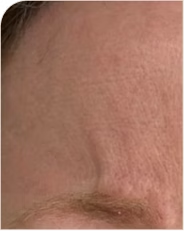
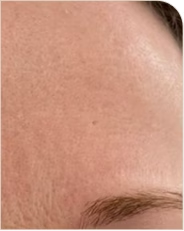
PRP + MICRONEEDLING
4 sessions over 16 weeks. Postpartum hair loss, diffuse shedding. Visible reduction in shedding and improved density at the temples.
EXO-GROW COURSE OF 3
3 sessions over 12 weeks. Menopausal thinning at crown and part. Improved density and reduced daily shedding within 3 months.
PRP + HAIR VITALITY BOOSTER
5 sessions over 20 weeks. PCOS-related hair thinning. Meaningful improvement in overall density and significant reduction in daily shedding.
Individual results may vary. Outcomes depend on the type, cause, and stage of hair loss, treatment consistency, and individual response. These are real client results and are not a guarantee of outcome.
HAIR LOSS TREATMENTS
Our treatments
PRP HAIR LOSS TREATMENT
Your body’s own growth factors, supporting your follicles.
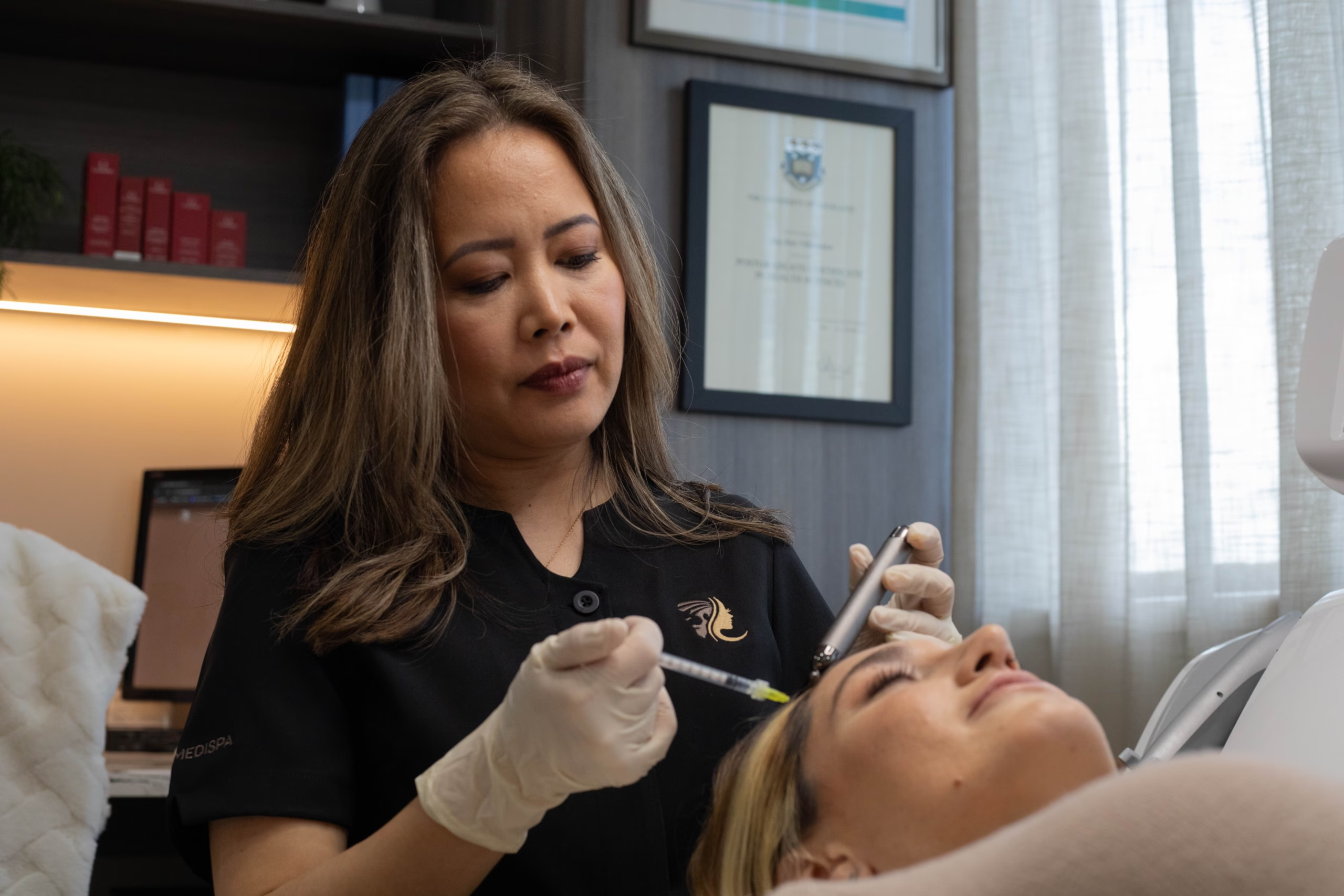
PRP takes a small sample of your own blood, concentrates the platelets and growth factors in a centrifuge, and injects that concentrate into areas of thinning on the scalp. There are no foreign substances involved. It works by delivering your own biology to support follicle health and encourage natural regrowth.
For women, PRP is particularly effective for postpartum shedding, menopausal and perimenopausal thinning, and hormonal hair loss driven by PCOS or thyroid changes. Results build gradually, most clients notice reduced shedding within two to three sessions and visible density improvement between three and six months.
SESSION TIME
30 to 45 min
INTIAL COURSE
3 to 4 sessions
TIME OFF WORK
None required
MAINTENANCE
Every 3 to 6 months
CHOOSE YOUR TIER
BASIC
PRP Injections
INCLUDES
Two vials drawn and centrifuged
Injected across scalp at 1cm intervals
Good starting point for early-stage or postpartum loss
BETTER
PRP + Microneedling
INCLUDES EVERYTHING IN BASIC, PLUS
Microneedling for deeper PRP absorption
Good for active thinning and diffuse loss
BEST
PRP + Microneedling + Hair Vitality Booster
INCLUDES EVERYTHING IN BETTER, PLUS
Targeted actives for hormonal hair loss
Female-specific formulation available
ESPECIALLY EFFECTIVE FOR
Postpartum hair loss and recovery
Menopausal and perimenopausal thinning
PCOS-related and hormonal hair loss
Stress or nutritional deficiency-related shedding
EXO-GROW EXOSOME THERAPY
Concentrated growth signals for more complex hair loss.
Exo-Grow by DP Dermaceuticals delivers exosome technology via Dermapen microneedling. Exosomes carry a concentrated blend of growth factors, peptides, and signalling proteins that work at a cellular level to support follicle repair and regeneration, particularly suited to hormonal, postpartum, and genetically-driven hair loss in women.
Every session includes the Innoaesthetics Hair Vitality Booster Serum, with actives formulated to support hormonal and stress-related hair loss. The female-specific formulation addresses the mechanisms most relevant to women’s hair loss patterns.
SESSION TIME
Approx 45 min
INTIAL COURSE
5 to 6 sessions
TIME OFF WORK
None required
MAINTENANCE
Every 6 months
Concentrated growth factors particularly effective for hormonal hair loss in women
Female-specific Hair Vitality Booster formulation targets postpartum and menopausal loss
No blood draw required, which many women find more comfortable
Delivers growth signals at a cellular level for follicle repair and regeneration
Available as a single session or course of three with a saving
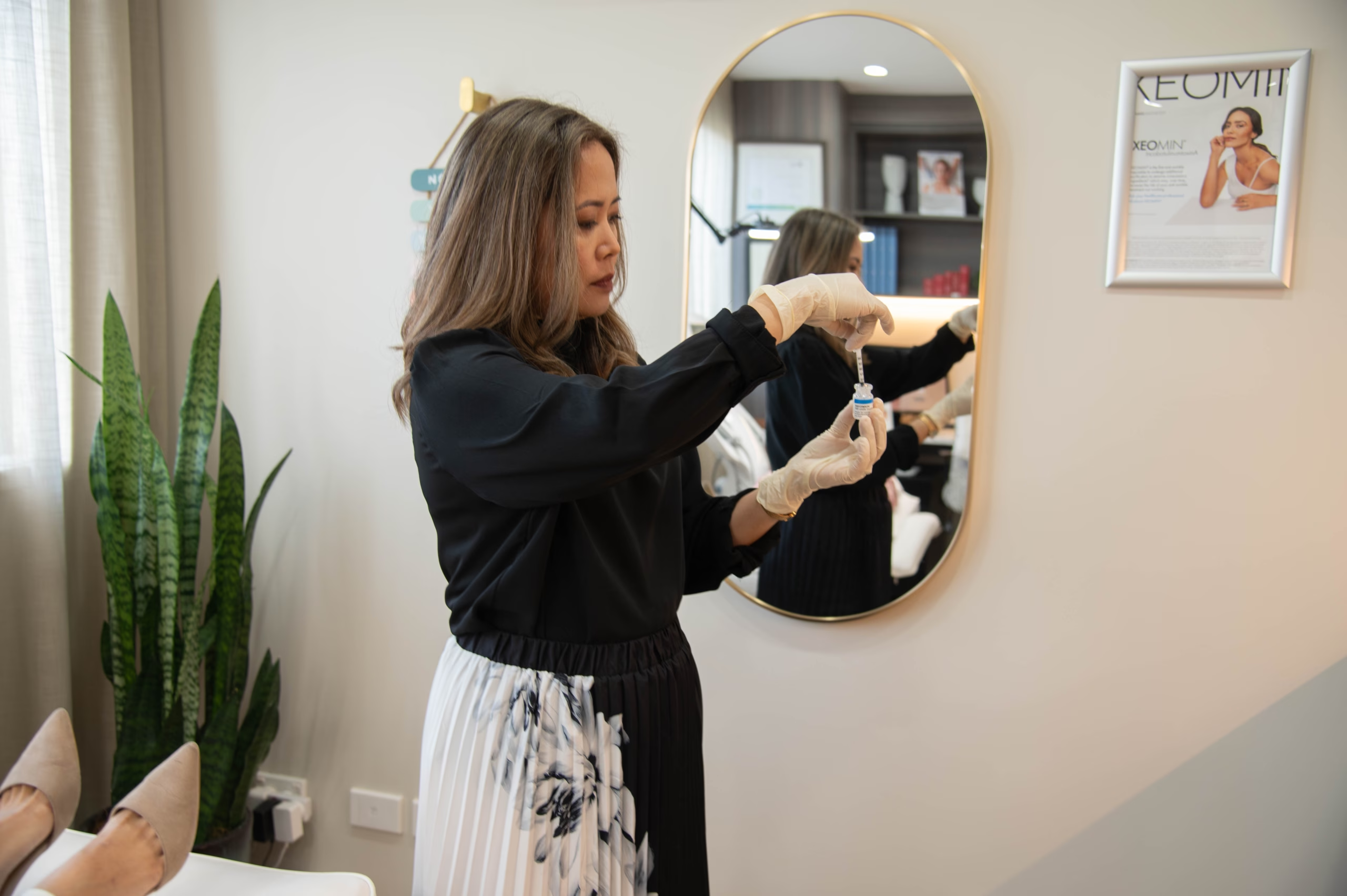
OUR APPROACH TO FILLERS
Hormonal hair loss from menopause or PCOS
Postpartum hair loss and scalp recovery
Diffuse thinning with a hormonal or nutritional cause
Women who prefer a no-blood-draw option
Not sure where to start?
Hair loss in women is rarely talked about, but it’s common and in most cases treatable. Come in and talk to us. We’ll work out what’s driving yours and whether treatment is a realistic option for your situation.
CALL 09 418 0743
COMMON QUESTIONS
What women ask before booking
Anything not covered here, come in and ask us directly.
Hair loss in women is most commonly driven by hormonal changes, postpartum shifts, perimenopause, menopause, thyroid imbalance, and PCOS. Nutritional deficiency, particularly low ferritin, is one of the most frequently missed causes. Stress-related telogen effluvium and female pattern hair loss with a genetic component are also common. Understanding the specific cause is essential before recommending treatment.
Postpartum hair loss is a form of telogen effluvium triggered by the hormonal shift after delivery. Most cases resolve naturally within six to twelve months. PRP and Exo-Grow can support the recovery process and reduce the duration and severity of shedding. We assess the current stage of shedding at your consultation before recommending treatment.
Yes. The decline in oestrogen during menopause reduces its protective effect on hair follicles, allowing DHT to become more influential. PRP and Exo-Grow can support follicle health and slow progression. The earlier treatment starts, the better the response tends to be. Many women find results are meaningful and sustained with regular maintenance.
PRP has clinical evidence for female pattern hair loss, postpartum shedding, and telogen effluvium in women. It is most effective when follicles are still active. For hormone-driven hair loss, addressing the underlying hormonal factor alongside treatment improves outcomes. We’ll be direct with you about what’s realistic at your consultation.
No. Most clients return to normal activities on the same day. You may experience mild scalp redness or sensitivity for a few hours. We recommend avoiding heavy exercise for 24 hours. Sessions take 30 to 45 minutes.
PRP uses your own blood’s growth factors, drawn and processed on the day. Exo-Grow uses exosome technology with a concentrated blend of growth factors and the Innoaesthetics Hair Vitality Booster, which includes targeted actives for hormonal and postpartum hair loss, with a female-specific formulation. Exo-Grow also doesn’t require a blood draw. Which option is right for you is assessed at consultation based on your specific cause and stage of hair loss.
Losing 50 to 100 hairs per day is considered normal. But if you’re noticing significantly more than that, visible thinning at the part or crown, or hair that feels noticeably less dense than it used to, it’s worth getting it assessed. Hair loss in women is often dismissed for too long. A clinical assessment will give you a clear answer about whether what you’re experiencing is normal or something that warrants treatment.